Batak. Sumatra Island, Indonesia..
Wood, fibers, cloth. H: 24.5" (62.2 cm).
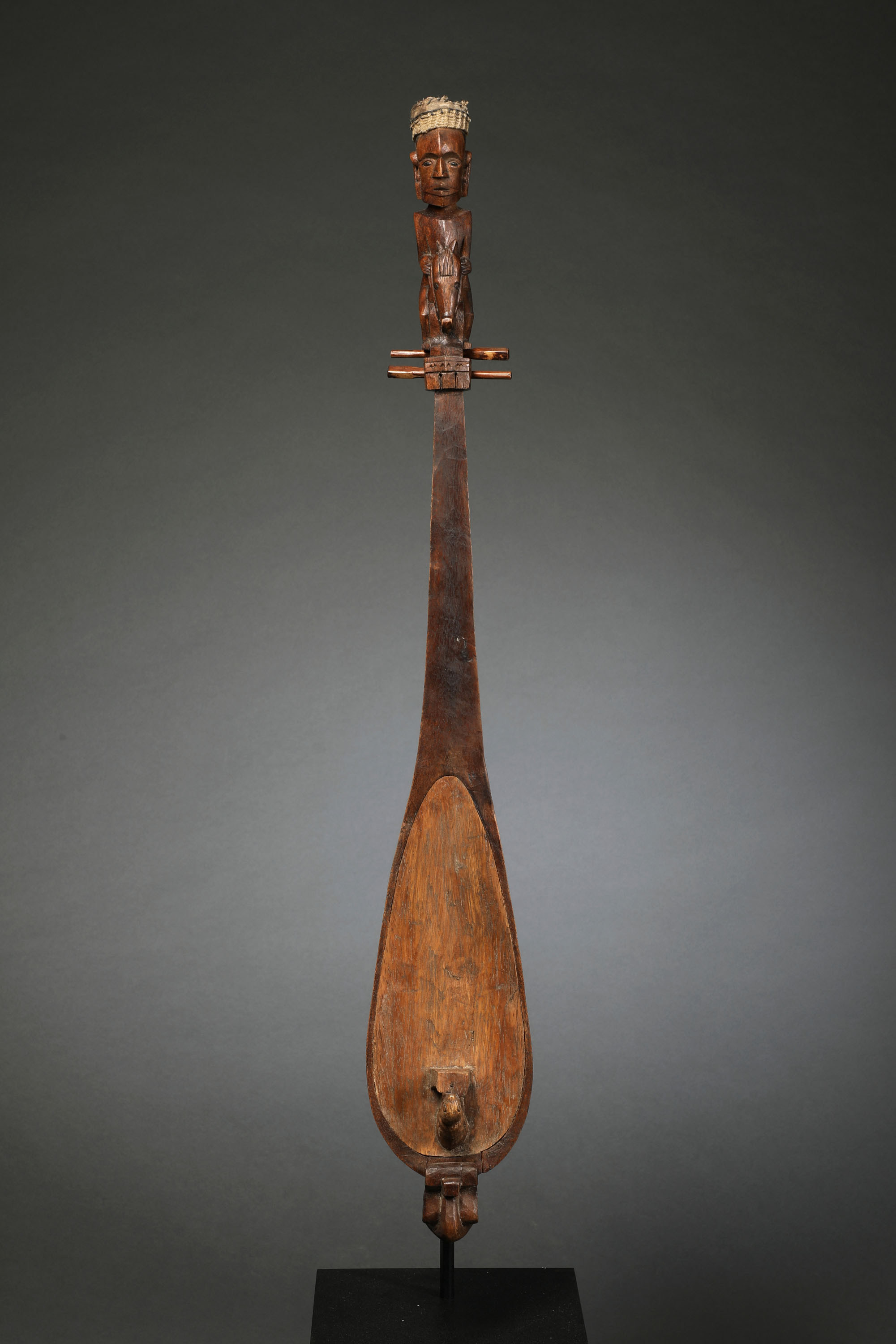
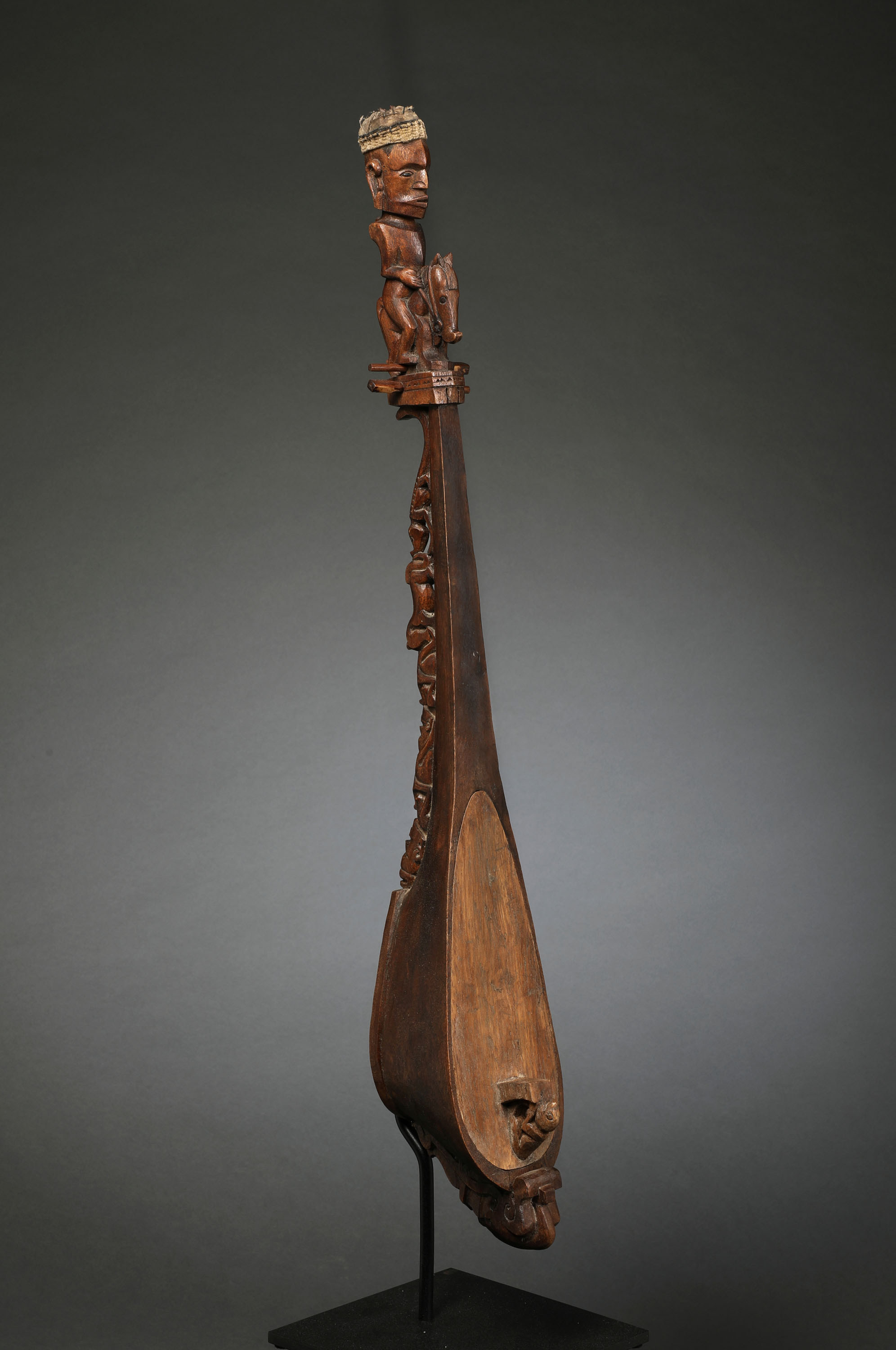
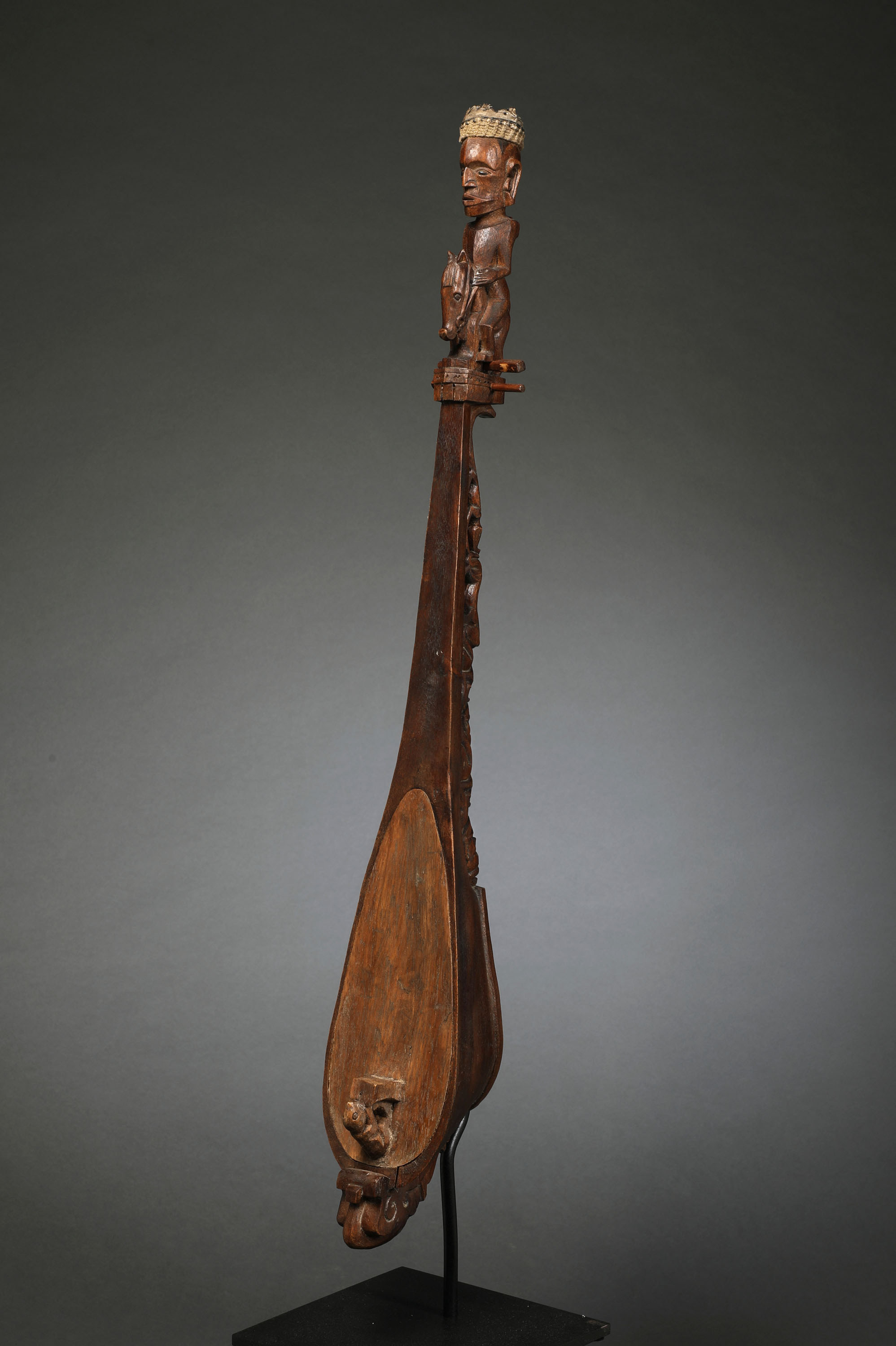
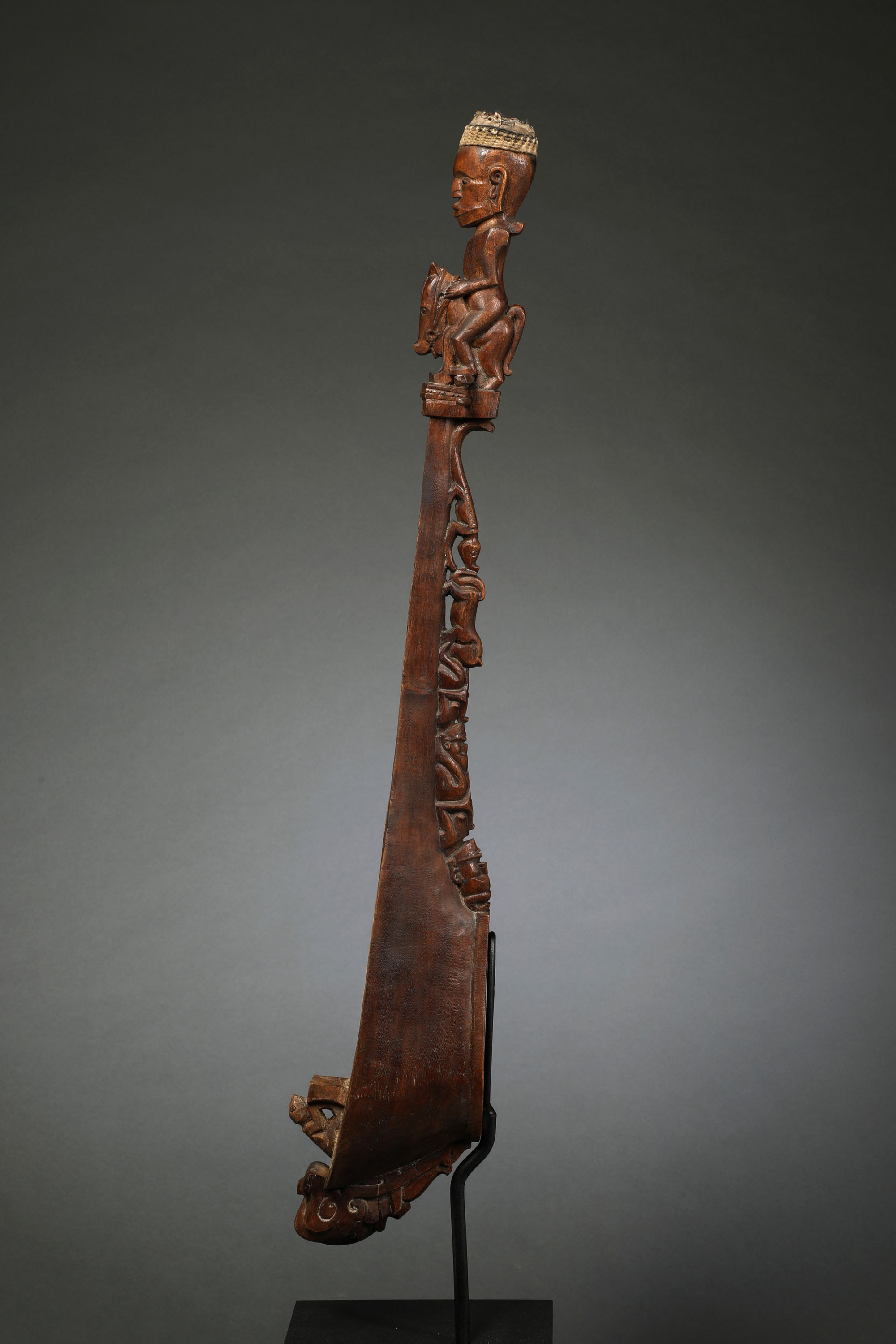
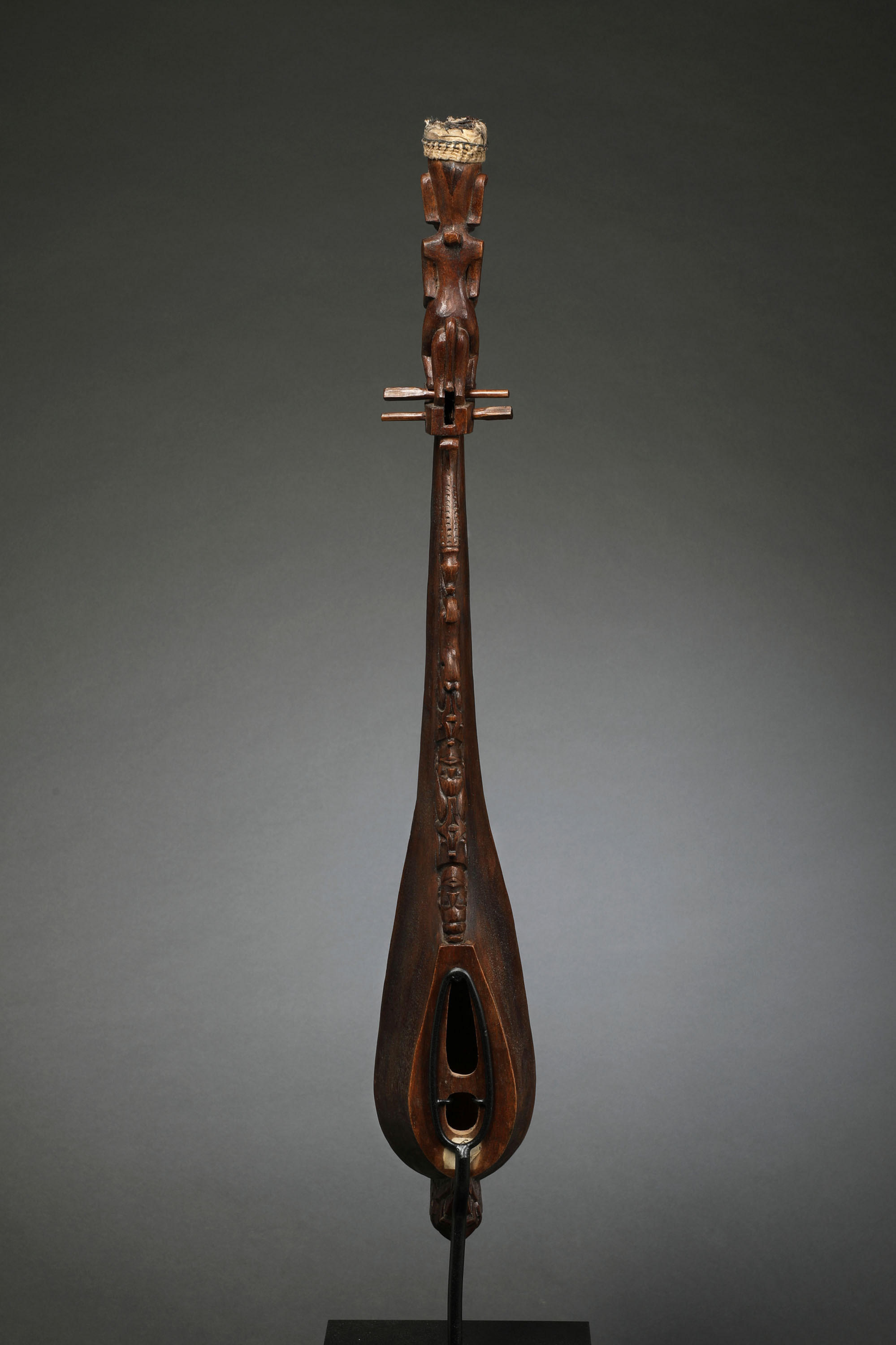
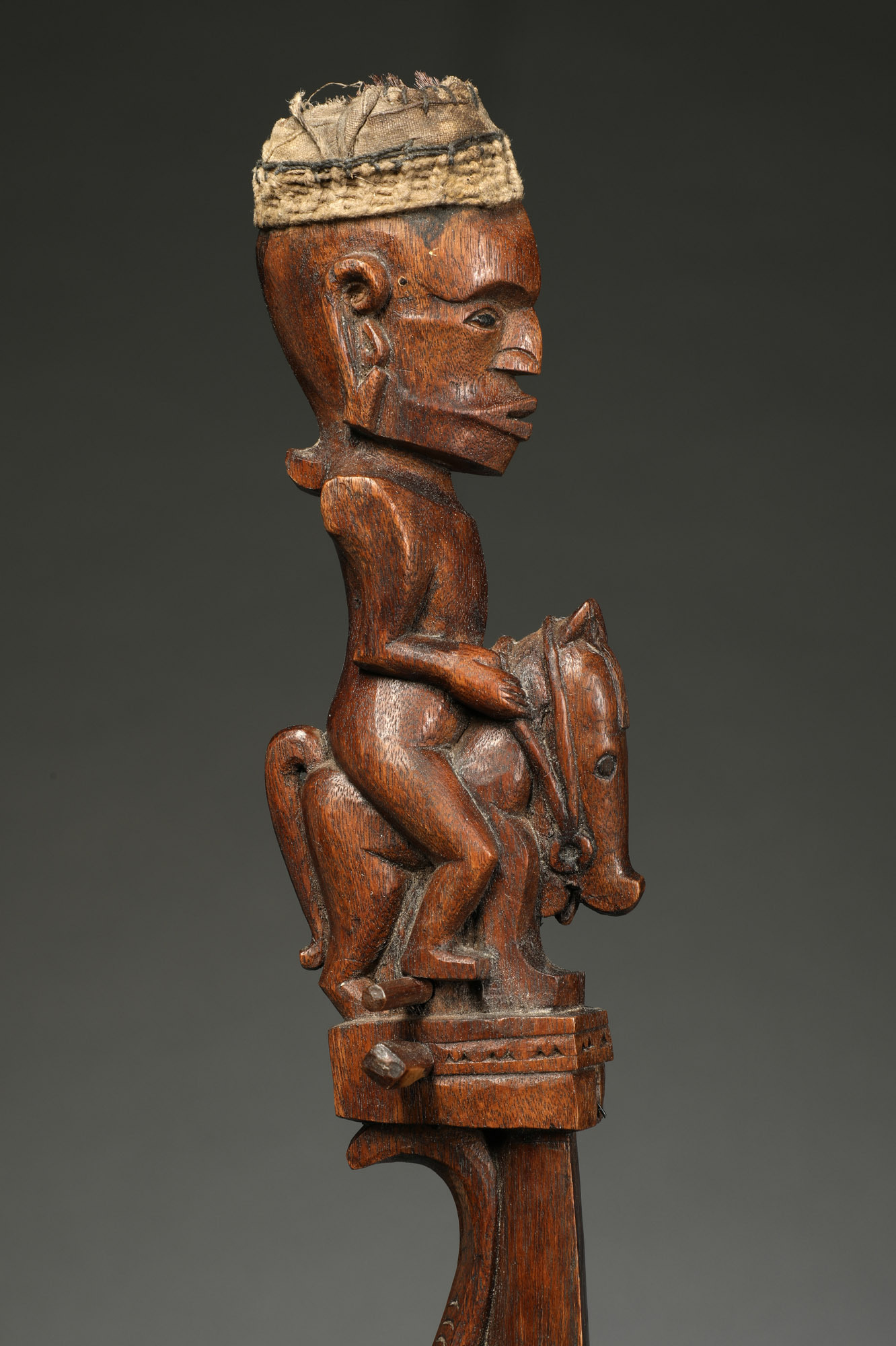
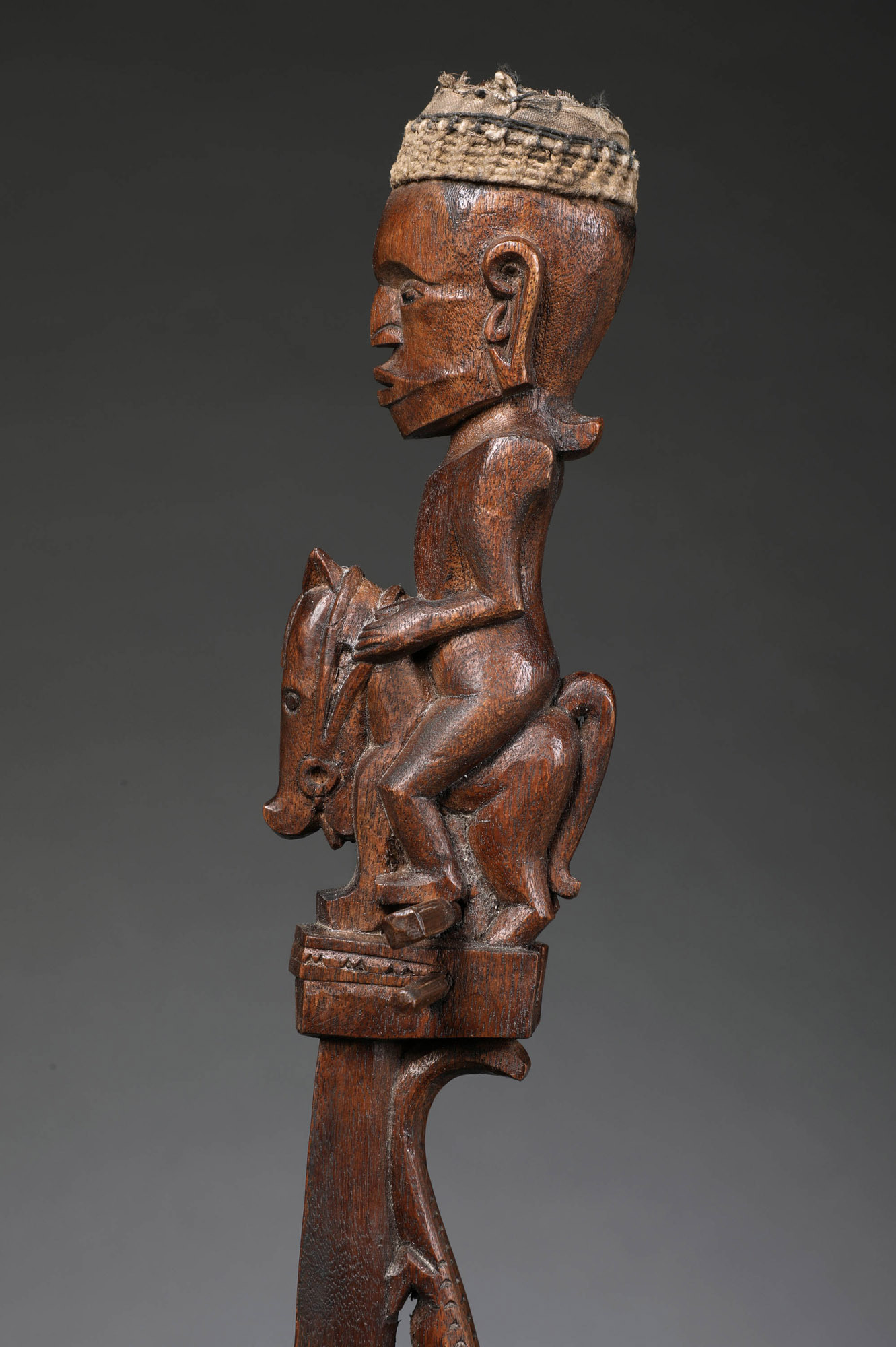
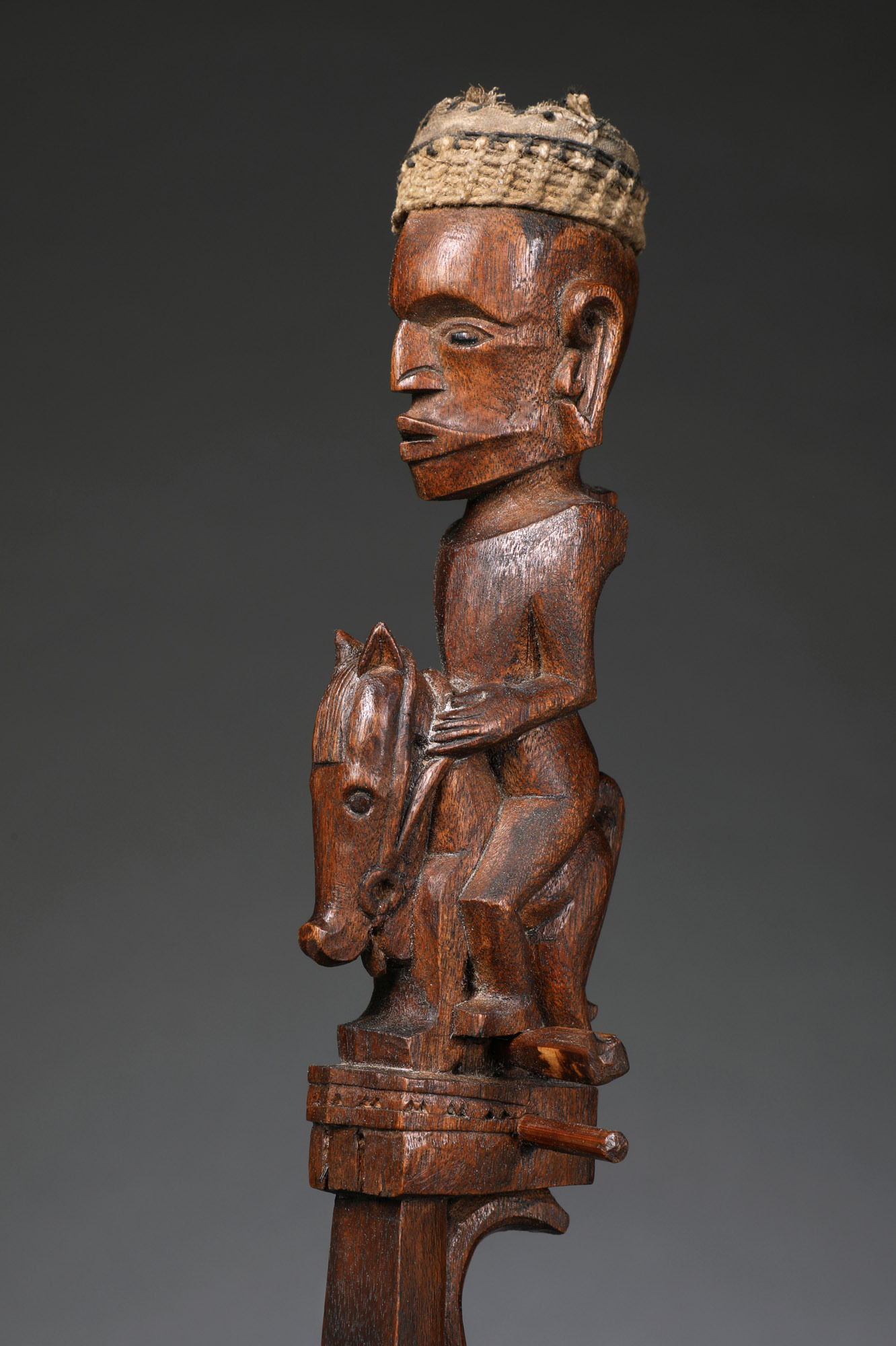
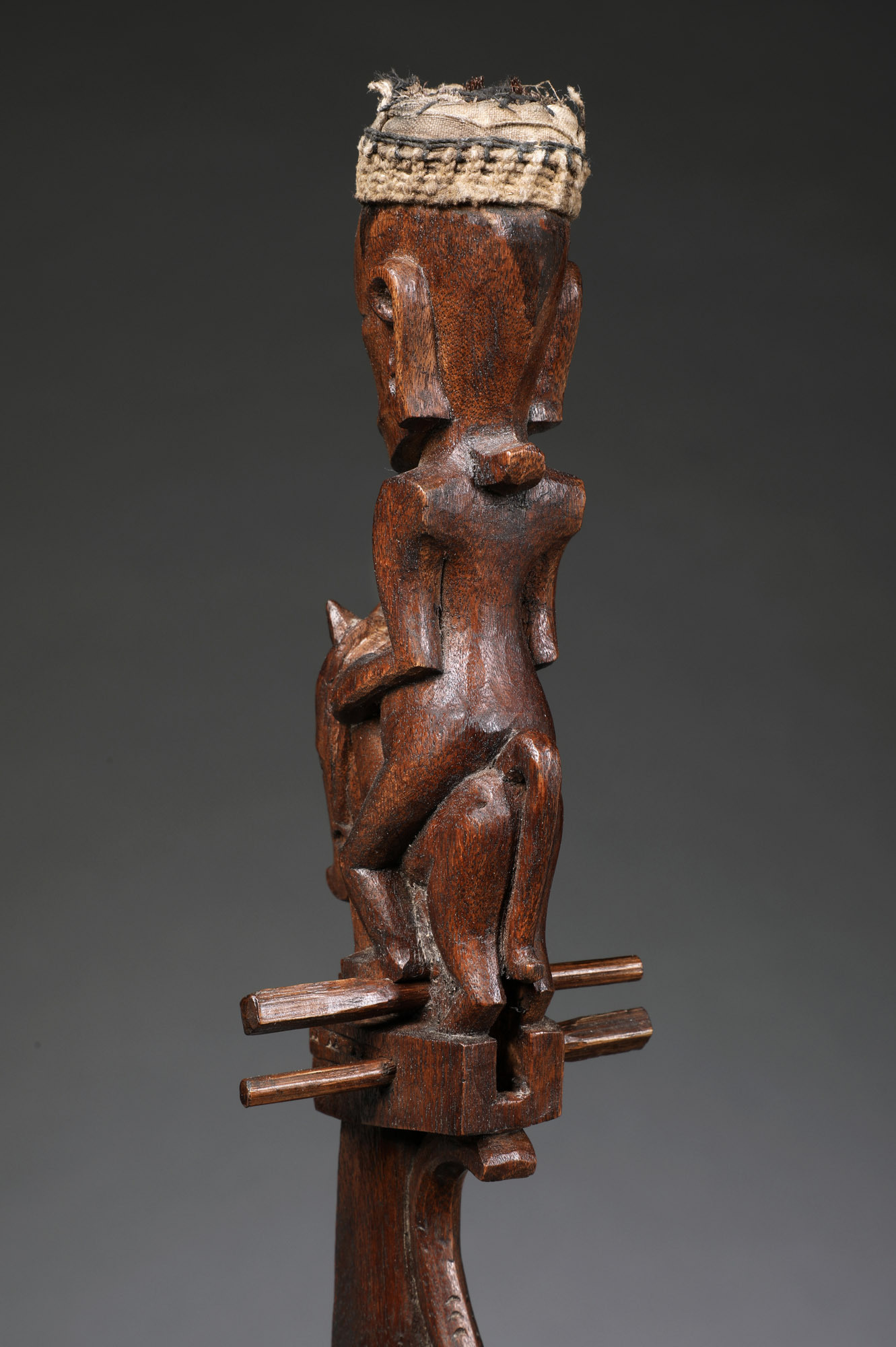
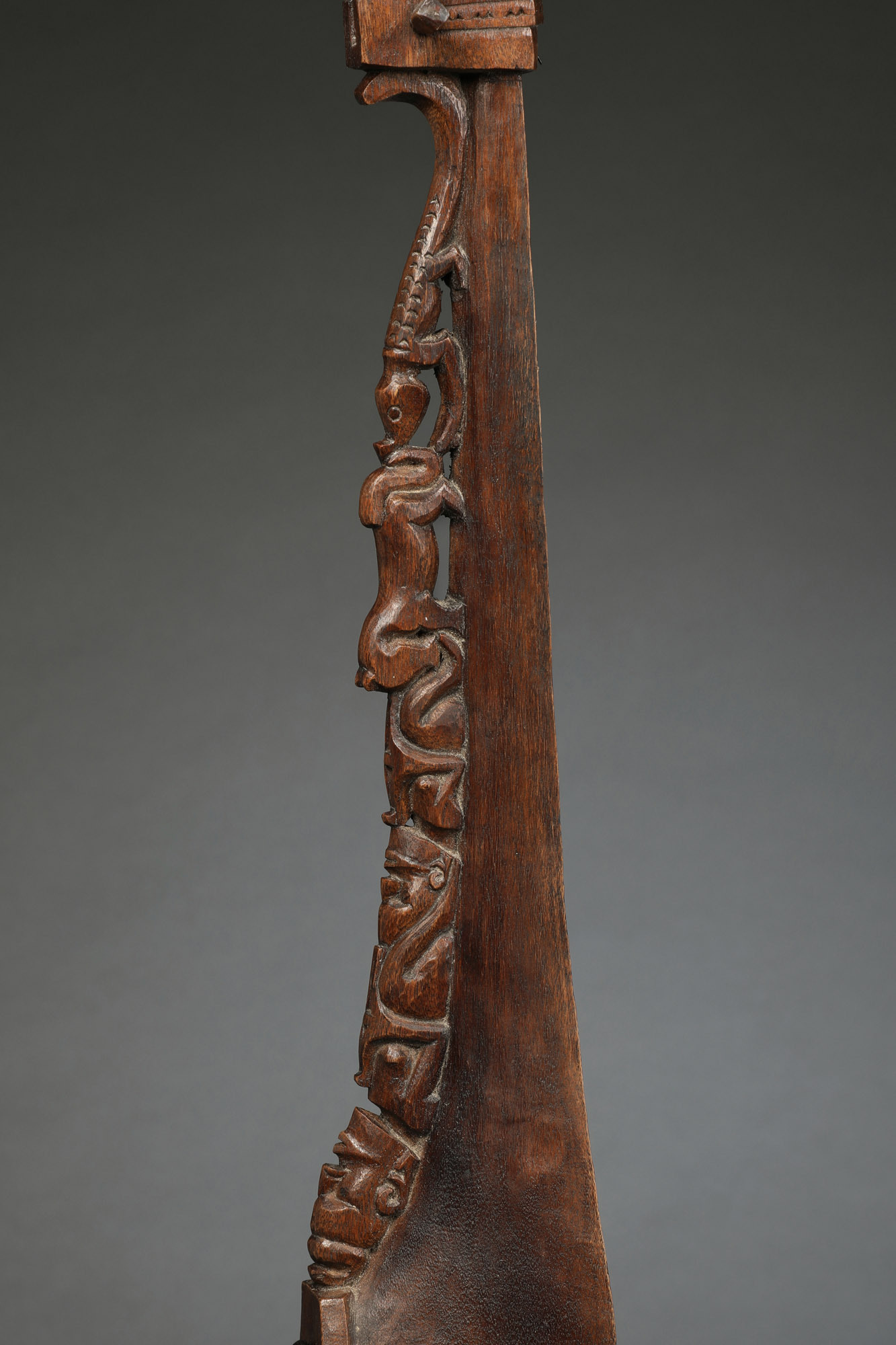
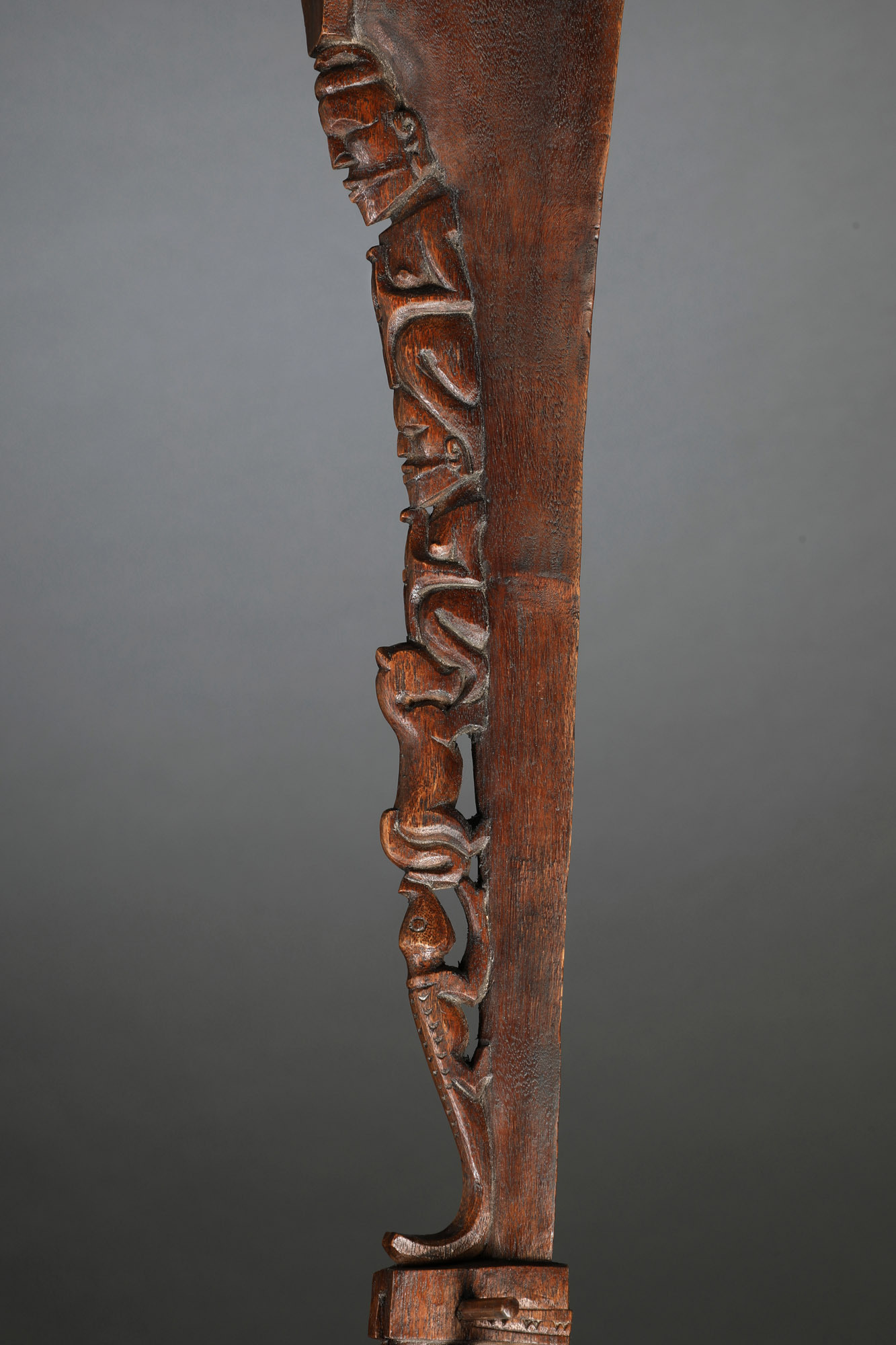
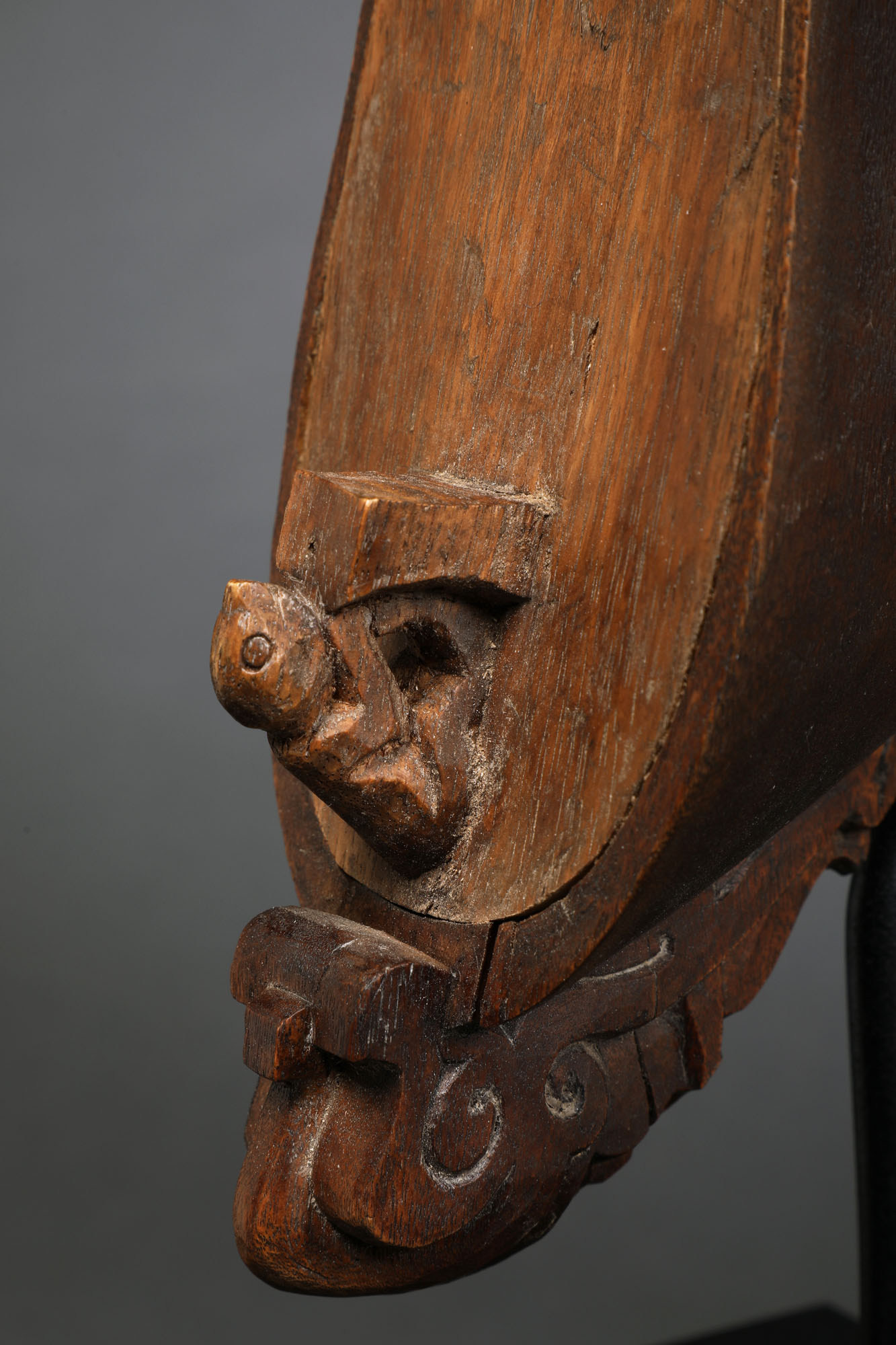
A rare example of a Batak two-stringed musical instrument carved by an unknown Batak artist in the late 19th to early 20th, who I fondly identify as the Lute Master.
Other examples of this type, clearly carved by the same hand, can be found in Dutch museum collections (all acquired around the turn of the 19th-20th century),
as well as at least one private American collection and the Yale University Art Gallery.
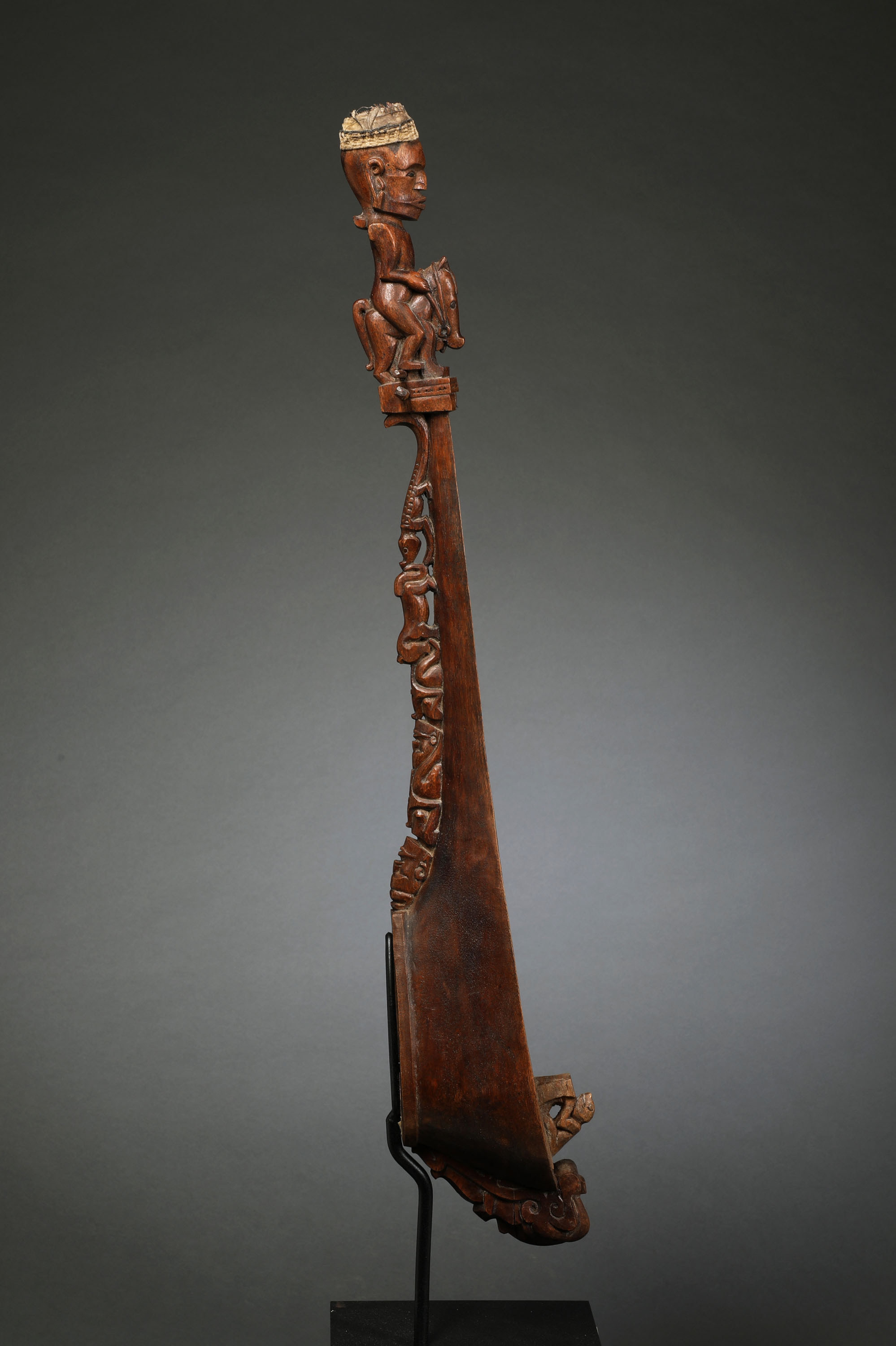
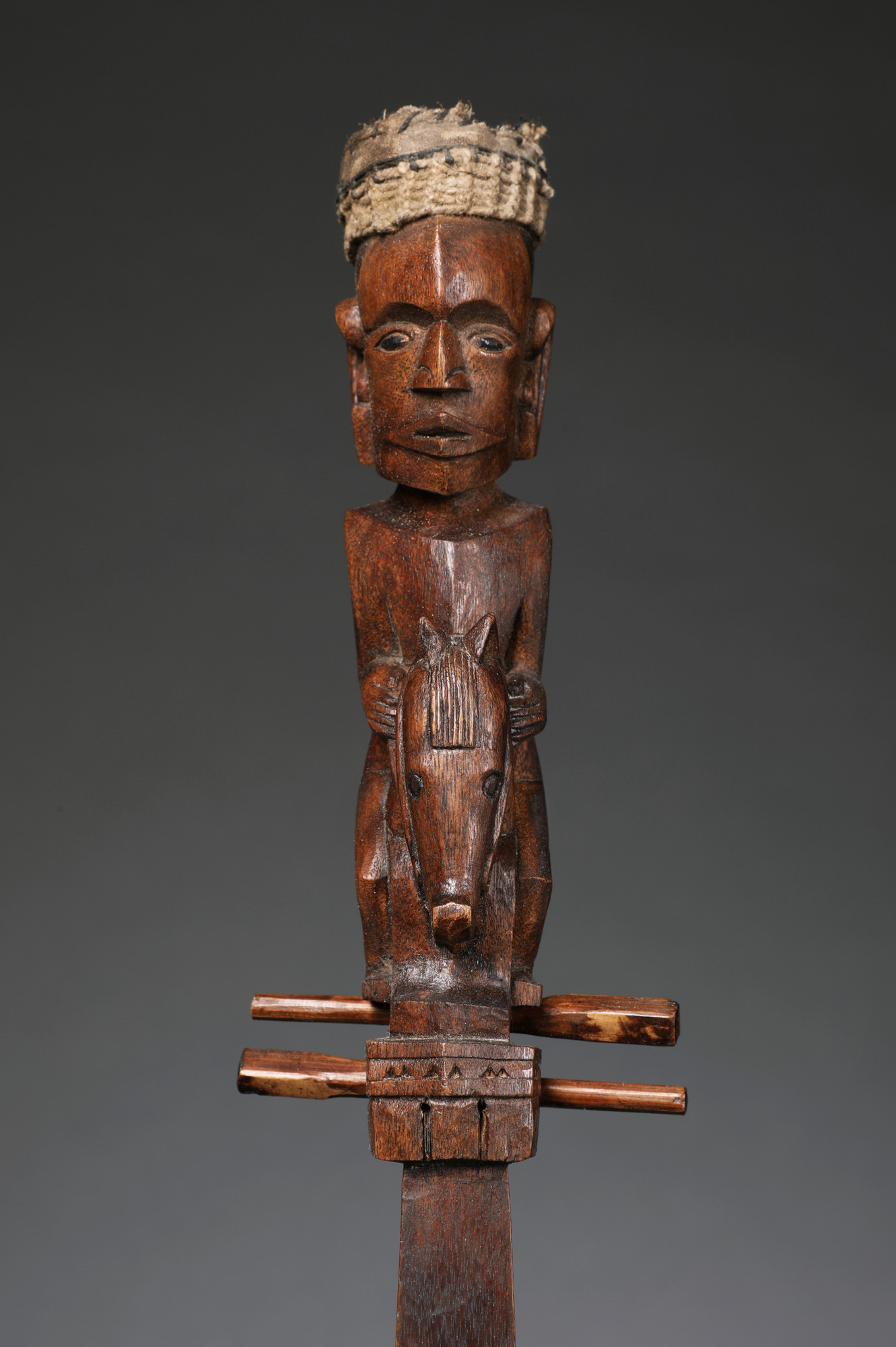
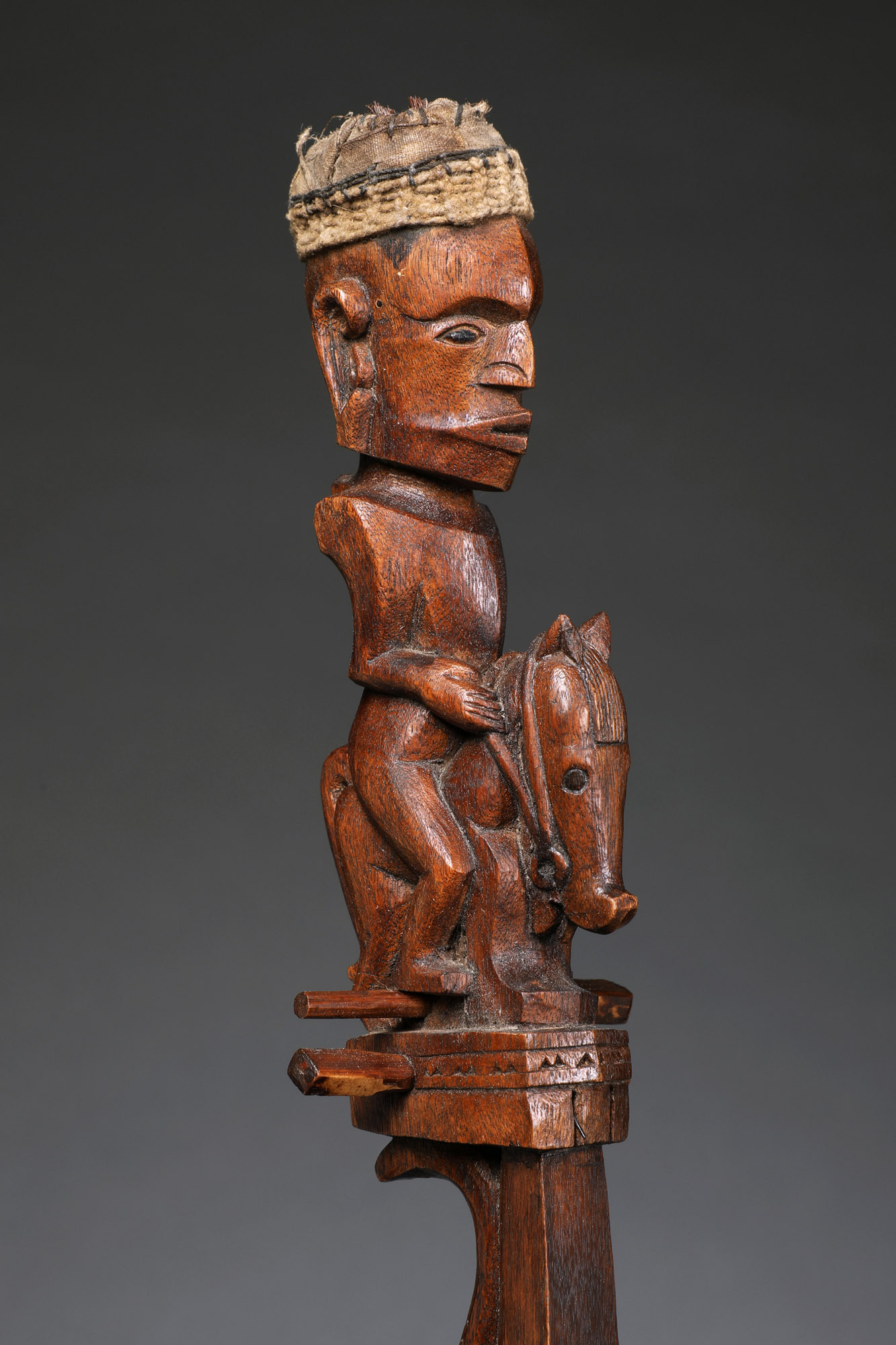
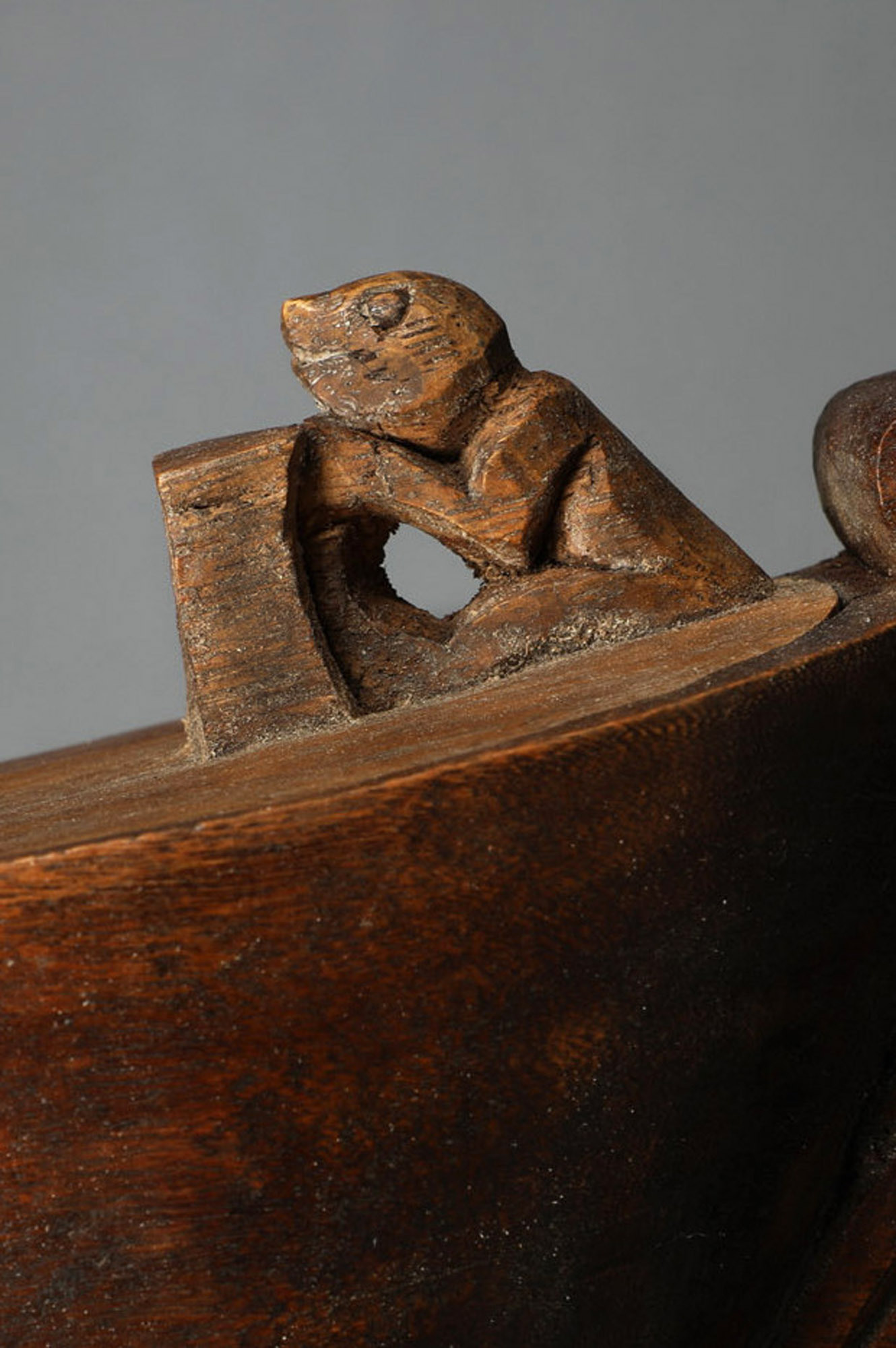
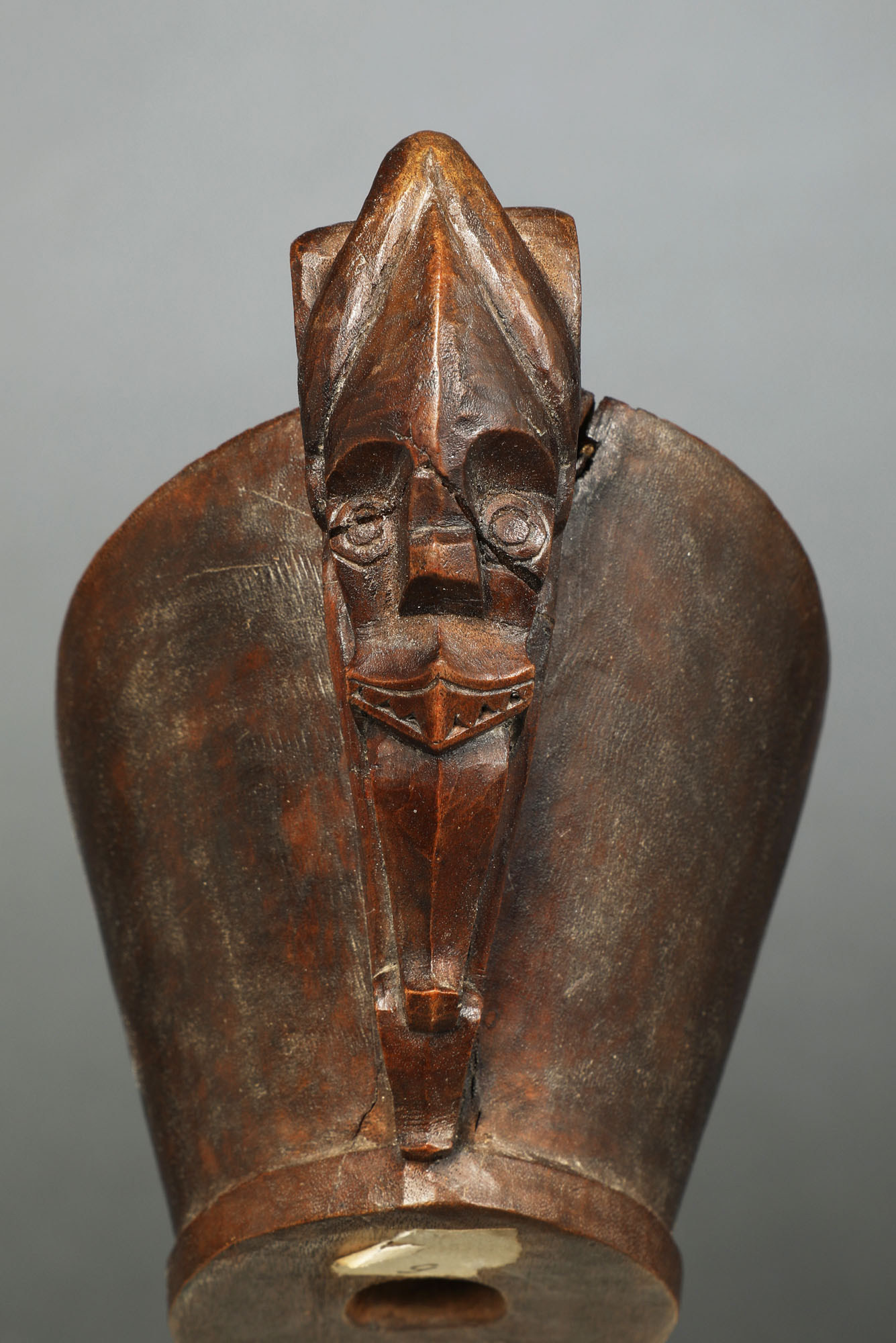
These examples have similar characteristics: a specific style of dominant figure at the top of the fret, often riding on another smaller figure or animal (as in this example).
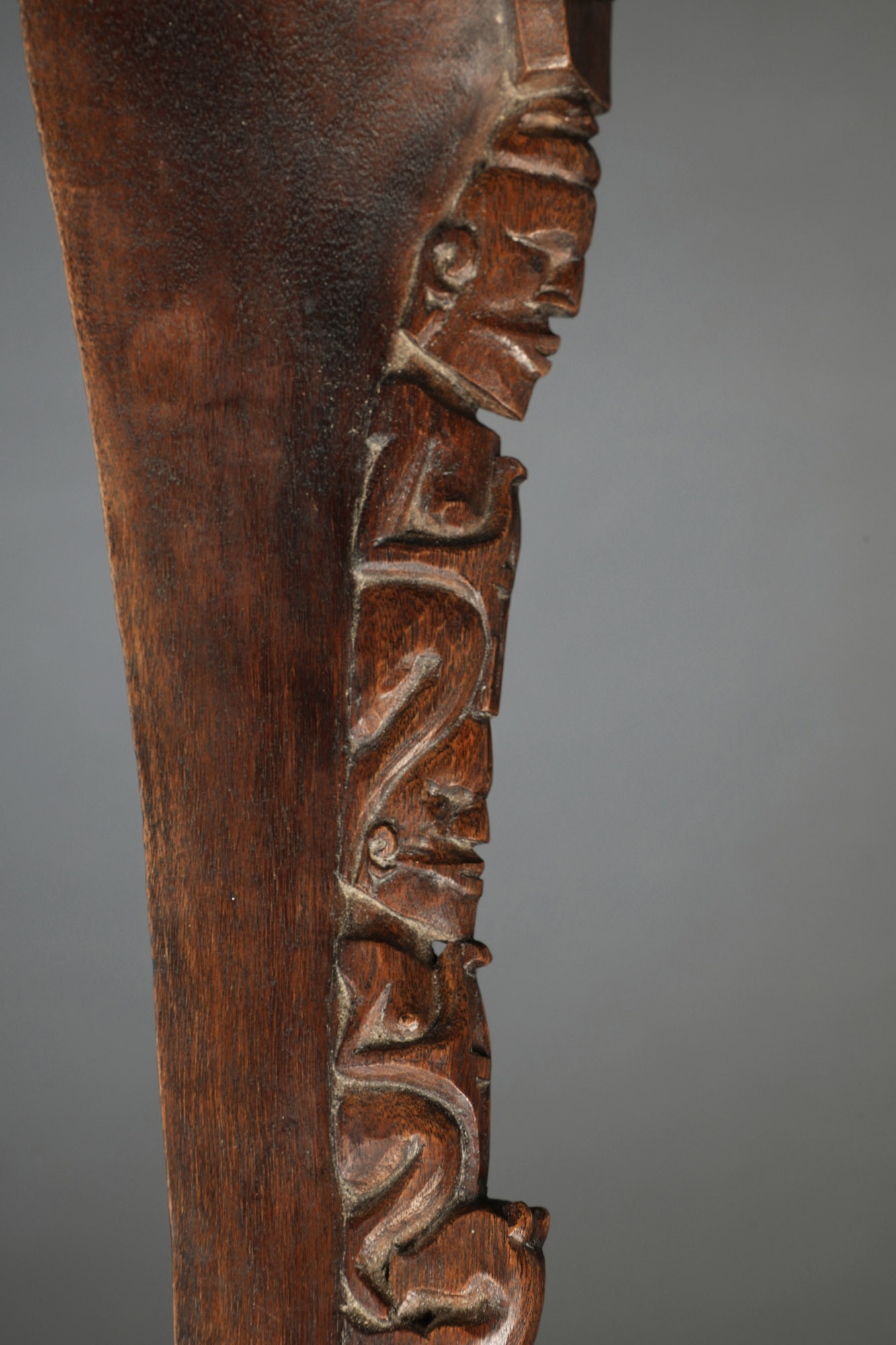
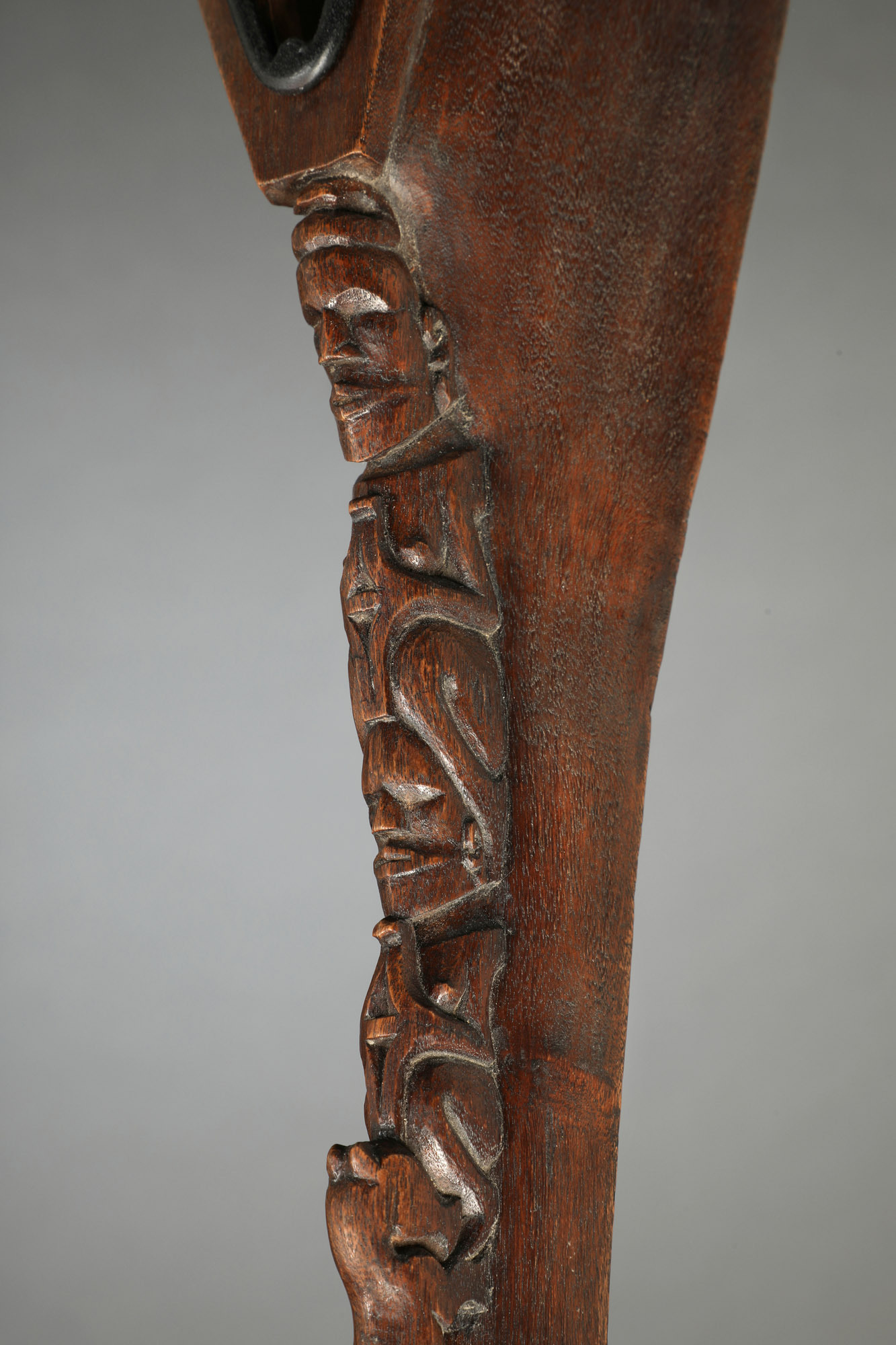
This beautifully detailed figure has distinct mouth, eye, and brow lines, traces of paint, a serious expression, and often is wearing a head piece woven from plant fibers.
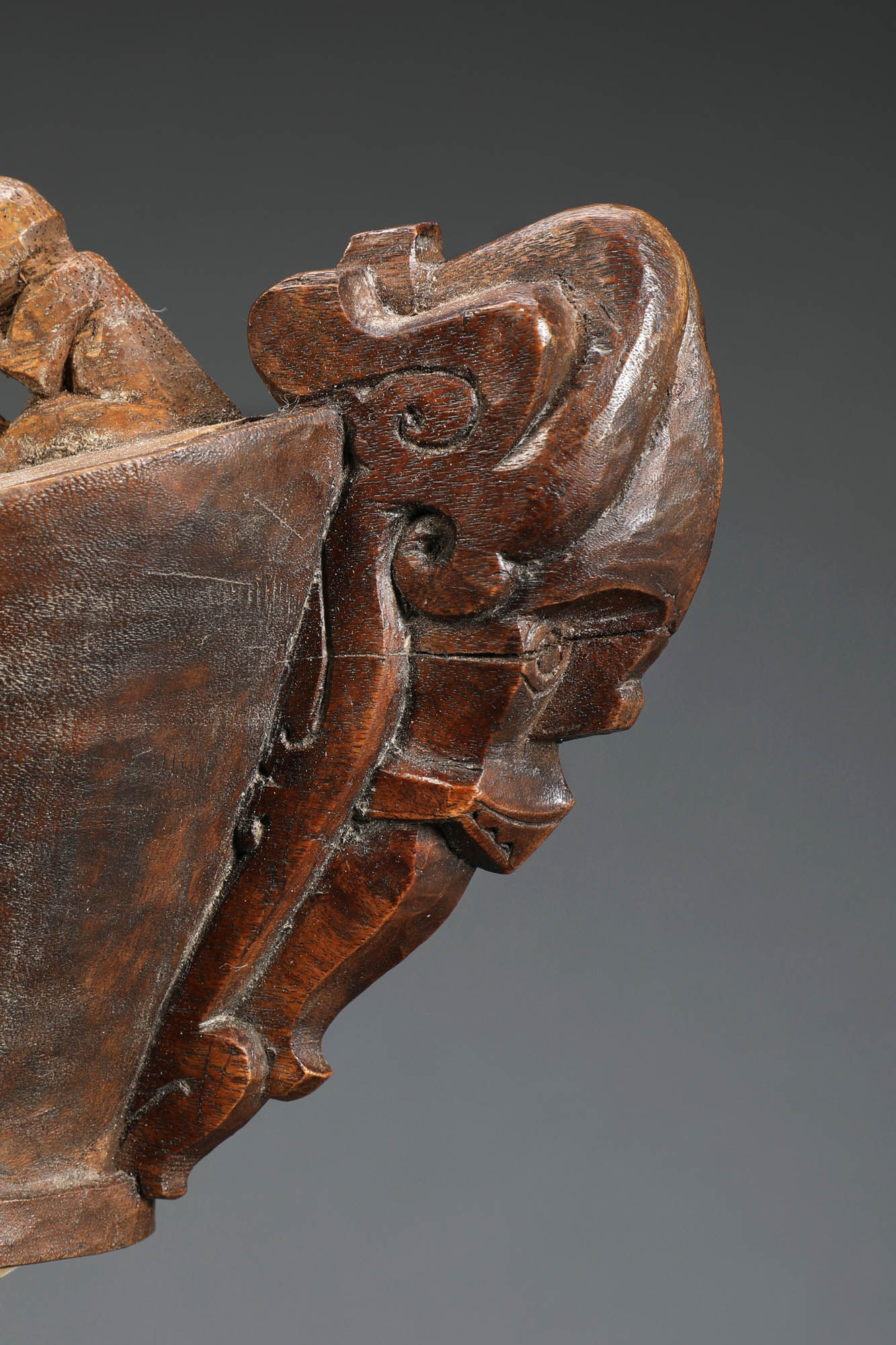
There is a line of carved figures along the back of the fret, usually a combination of lizards and human figures. There is usually a Singha figure carved at the bottom.
The primary hardwood is nearly always the same brown-red color, while the sound board is always a lighter wood that is separately carved (and often missing), with a
smaller animal figure carved in a simple manner (possibly because this part is often replaced due to stress on the strings). Most importantly the primary carving is always
masterfully rendered. Examples of other lutes in the Dutch photo archives, carved by this unique Batak artist can be sent on request.
For price or additional information, please email your request, with inventory number and title description, to: majtribal@gmail.com.